Myths of Moonrise
- 4.2
- Rating
- 5.00M
- Installs
- Free
- Price

 Analysis by App-foxy
My first impression of Myths of Moonrise was that it wants to make a dramatic promise without asking me to learn an intimidating amount at once. This is a free role-playing game from StarFortune, built around a nighttime fantasy setting and the idea that a sleeping great lord is close to awakening. That premise gives the opening a clear mood, but the more important question for me was whether the game could remain interesting after the first burst of curiosity.
It is available for Android devices running version 8.0 or later, and its Teen content rating makes it a better fit for older players than for young children. The game has attracted over five million installs, with a 4.2 average from around 145 thousand ratings and roughly 5.9 thousand written reviews. Those figures suggest a sizeable audience, but they do not replace the practical test: can I build a routine around it without feeling that every session is just another chore?
What the first week feels like
The first week is where the game is most naturally persuasive. The setting gives ordinary progression a sense of purpose, and I found it easier to keep checking in when each new improvement felt connected to the larger moonlit story rather than being a disconnected menu task. The short store description, “Myths of Moonrise,” is simple, but the actual appeal comes from the contrast between a calm nocturnal atmosphere and the pressure of an approaching awakening.
You May Also Like

 Blood Strike: 2.5 Anniversary
Blood Strike’s Loadouts Turn Every Drop Into a Tactical Gamble
A close look at Blood Strike’s custom loadouts: how fast access to signature weapons reshapes its battle royale rhythm, rewards preparation, and narrows the gap between fights.

 Pandora - Music & Podcasts
Pandora’s Music Is Easy to Start, but Harder to Recover
Pandora’s strength is its low-effort path from a seed to a station. Its weak spot is how much confidence it asks you to place in connection, setup, and quiet recovery.

 8 Ball Pool
 Is Built on Rivalries, Rematches, and Routine
A close look at the rivalries, rematches, shared routines, and unanswered safety questions that turn a quick pool match into a persistent mobile community.

 Samsung Music
’s Quiet Strength Is Playing What You Already Own
Its reach comes less from spectacle than from dependable access to a personal library. That simplicity is both the app’s strongest retention engine and its ceiling.

 AccuWeather: Weather Radar
AccuWeather Review: A Quick, Clear Forecast for Everyday Decisions
For everyday plans, the best forecast is the one you can understand quickly. AccuWeather makes rain timing, radar, and local conditions easy to act on, with a few trade-offs.

 Hill Climb Racing
Why Hill Climb Racing Still Turns Crashes Into One More Run
A tiny car, a bumpy hill and one more upgrade: Hill Climb Racing keeps resurfacing because its simple chaos makes every near-miss feel personal.
More From Our News Desk



I would recommend taking the opening days slowly instead of trying to optimize every decision immediately. Early role-playing games often throw upgrades, rewards and objectives at the player so quickly that it is tempting to tap through everything. Here, I got more value from pausing long enough to understand which activities were advancing my current goal and which were merely offering another temporary reward. That small habit matters later, because a crowded progression loop can become tiring when every screen appears equally urgent.
For a newcomer, the best first-week approach is to treat the game as a guided tour. Follow the main direction, learn how the menus connect, and resist spending anything valuable until the purpose of the resource is clear. This is especially relevant because the game is free to start but includes purchases ranging from $0.99 to $99.99 per item. I never think a player should feel pressured to buy simply because the opening is generous or because a limited-looking opportunity appears before the basic systems make sense.
The first-week appeal also depends on the kind of player you are. If you enjoy checking character growth, comparing improvements and returning to see what has changed, the structure has an inviting rhythm. If you want a role-playing game with constant direct control, rapid action and little menu time, this may feel less satisfying. Myths of Moonrise is better approached as a continuing fantasy routine than as a single dramatic adventure that I finish in a few long sittings.
Where the early routine works best
A realistic use case is a short evening session after work or school. I can open the game, review what has become available, complete the most relevant objective and stop before the session turns into aimless tapping. That makes it easier to fit into a day than a game that expects an uninterrupted hour every time. The trade-off is that the experience can feel modest if I only want a substantial story chapter or a major battle whenever I launch it.
One useful trick is to decide on a stopping point before opening the game. I might aim to finish one meaningful objective, improve one part of my roster or inspect the next obstacle, then leave. This prevents the reward stream from dictating my entire evening. It also reveals whether I genuinely enjoy the underlying loop. If the game remains appealing when I ignore the temptation to collect everything immediately, it has a stronger chance of becoming a lasting hobby.
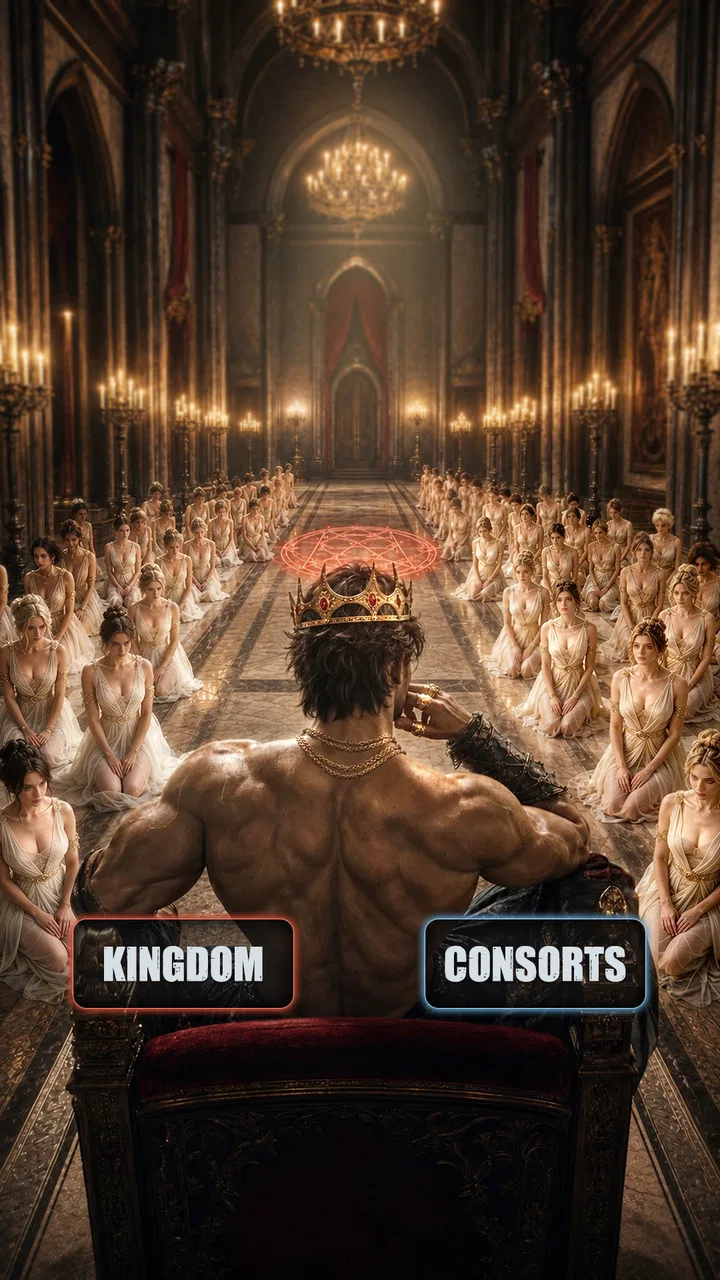
The opening is also a good time to judge the visual and narrative tone. The moonlit theme will appeal to players who prefer fantasy with a darker, quieter identity instead of bright, comedic presentation. I found that atmosphere useful because it gives the game a recognizable personality. Still, atmosphere alone cannot carry a long-term role-playing game. Once the novelty of the setting settles, the quality of the recurring decisions becomes much more important.
What keeps it useful from month to month
After the first month, I stop asking whether the game looks interesting and start asking whether it gives me a reason to return that feels different from simple habit. Myths of Moonrise has the right kind of structure for regular check-ins: progress can be reviewed, priorities can be adjusted and the world’s central threat gives the routine a continuing frame. But that does not mean every player will experience lasting variety. The value depends on whether you enjoy gradual improvement more than constant novelty.
For me, the strongest long-term use is as a low-pressure companion game. I can keep it alongside a larger console or PC role-playing game and use it during smaller gaps in the day. It does not need to replace a deep, story-heavy adventure to be worthwhile. In fact, comparing it directly with a premium role-playing game would be unfair: those games usually offer more concentrated storytelling and fewer monetization prompts, while a free mobile title is designed around repeated visits and ongoing progression.
Compared with a traditional action role-playing game, the experience is also less about personal reflexes and more about planning a sequence of improvements. That makes it friendlier to players who like watching a team develop but do not want every success to depend on fast reactions. On the other hand, players who measure fun by movement, timing or direct combat mastery may prefer an action-focused alternative. Myths of Moonrise does not need to win that comparison; it simply serves a different kind of role-playing appetite.
The game’s current version is 1.133.1, which tells me that it is being presented as an established, continuing product rather than a brand-new experiment. For a player considering a monthly routine, that is useful context. A mature version can feel more settled than an early release, but it can also be harder for a newcomer to understand because there may be more accumulated systems and more reasons to revisit older menus. I would spend the first few sessions learning the basic flow before worrying about advanced efficiency.
How I would build a sustainable habit
I would divide play into three kinds of sessions. The first is a quick maintenance visit: collect what is ready, check the next goal and leave. The second is a focused improvement session, where I choose one area instead of scattering resources across everything. The third is a longer exploration session, reserved for when I actually want to engage with the fantasy world rather than simply preserve progress.
This division is more important than it sounds. A common mistake in ongoing role-playing games is treating every login as a demand to do everything. That creates fatigue quickly. By giving each visit a purpose, I can tell whether the game is providing entertainment or merely generating obligations. If I notice that most sessions are maintenance with no curiosity left, that is a sign to reduce the frequency rather than spend more money trying to restore excitement.
Another practical tip is to keep a personal limit on purchases before the game has earned a permanent place in my routine. The free entry point is helpful, but the broad purchase range means that convenience can become expensive if I react to every slowdown. I would first play long enough to understand the ordinary pace, then decide whether a purchase improves my enjoyment or only removes an irritation. That distinction is crucial for anyone who likes free-to-play games but wants predictable spending.
The monthly value is strongest for players who enjoy incremental goals. I like seeing a modest improvement become meaningful after several sessions, especially when I have made the choice myself instead of blindly claiming every available reward. The weaker side is that gradual progress can feel indistinguishable from repetition if the surrounding story or decisions stop surprising me. This is where personal taste matters more than the rating on the store page.
The maintenance burden behind the calm atmosphere
The game’s relaxed nighttime identity can make it seem effortless, but any continuing role-playing game asks for maintenance. I need to remember what I was building toward, notice which resources are becoming important and avoid spending just because a button is highlighted. That mental overhead is not necessarily a flaw, yet it changes the game from a casual distraction into a small ongoing commitment.
I would not call the maintenance unreasonable, but it is easy to let it expand. A quick check can turn into a tour through several reward screens, upgrade options and objectives. My solution is to choose a priority before I begin. If my goal is to strengthen one part of my progression, I ignore unrelated distractions unless they directly support it. This keeps the game from taking over the time it was supposed to fill.
New players may also wonder whether they need to spend money to keep up. My honest advice is to begin as a free player and observe how the ordinary progression feels. The title is free, so there is no entry cost to discovering whether its rhythm suits you. Purchases may be attractive to someone who values convenience or wants to accelerate progress, but I would not treat them as a requirement for deciding whether the game is enjoyable.
The Teen rating is another reason I would think about the intended audience before installing it for a family member. It is not a children’s game by default, and the fantasy conflict and presentation are better suited to teenagers and adults. For an older player, the rating should not be a barrier by itself; it simply sets a more appropriate expectation than a child-friendly adventure would.
Device fit and everyday practicality
Because the minimum operating system is Android 8.0, the game is accessible to many Android users, including people who are not using the newest phone. That does not guarantee identical comfort on every device, so I would still pay attention to storage space, battery behavior and how easily the interface can be read on a smaller screen. Those are practical concerns that matter more over a month than during a single trial session.
I would also avoid installing it with the expectation that every visit will be ideal for a weak connection or a rushed commute. Ongoing games are most enjoyable when I can give them enough attention to understand what I am claiming and upgrading. If I am constantly interrupted, the progression can become a blur of taps, and the carefully built atmosphere loses much of its effect.
This is one of the less obvious trade-offs: a game designed for repeated short visits can still demand concentration at the moments when decisions matter. I can use it casually, but I should not confuse “mobile” with “mindless.” The best routine leaves room for occasional focused sessions, especially when I need to reassess my direction instead of repeating the same actions automatically.
Where fatigue begins after the novelty fades
The main source of fatigue is the tension between a compelling premise and a repeating routine. The awakening of a great lord gives the game a reason to exist, but once I understand the basic pattern, the atmosphere cannot do all the work. If my progress starts feeling like a checklist, I may still appreciate the setting while no longer feeling motivated to open the app.
Another possible friction point is decision overload. Role-playing games can make every resource seem important, and free-to-play design often places several possible improvements in front of me. Without a clear personal priority, I can spend time comparing small gains that do not meaningfully change my enjoyment. The answer is not to chase perfect efficiency. It is to select a simple objective and accept that some options can wait.
Purchases can add a second kind of fatigue. The listed range stretches from small impulse buys to much larger individual items, so the game asks me to be deliberate. I prefer to judge every purchase by whether it improves the way I play, not by whether it makes the next obstacle disappear faster. Players who dislike any form of monetized acceleration should probably skip this title and choose a paid role-playing game instead.
I also would not recommend it to someone seeking a fully self-contained experience. A traditional single-purchase game is usually better when I want a beginning, middle and end that I can complete on my own schedule. Myths of Moonrise is a better match for someone who enjoys returning to an evolving routine, even if that routine occasionally feels less dramatic than the opening suggests.
The game can also lose its place if I install too many similar titles. Several ongoing role-playing games compete for the same small pockets of attention, and maintaining all of them is rarely satisfying. My advice is to choose one primary game for daily progression and keep this one only if its moonlit tone and particular rhythm genuinely stand apart. Otherwise, it becomes another icon I open out of obligation.
Who should keep it installed?
I think Myths of Moonrise earns lasting space for players who like fantasy progression in manageable portions. It is especially suitable for someone who enjoys checking a roster, making measured improvements and returning to a story-shaped world over time. The free starting point lowers the risk of trying it, while the Teen rating makes its intended audience reasonably clear.
I would be more cautious if you need constant action, dislike recurring maintenance or want a game with a firm ending. I would also skip it if optional purchases make you uncomfortable regardless of whether you can play for free. In those cases, a premium role-playing game or a more direct action title will probably provide a cleaner fit and less pressure to maintain a long-running routine.
For everyone else, I recommend treating it as a trial of habit rather than a test of the opening spectacle. Play without spending at first, set a reasonable session limit and see whether you still look forward to returning after the story’s initial mystery feels familiar. That approach gives the game a fair chance while protecting your time and budget.
My final view is positive but measured. StarFortune has created a role-playing game with a distinct nighttime identity and enough ongoing structure to become a dependable side game. Its lasting value comes from the small decisions I make across many visits, not from a single burst of excitement. The real test is whether progress feels rewarding when I stop chasing every reward. If it does, Myths of Moonrise can remain a pleasant part of my routine; if it does not, the maintenance will eventually outweigh the myth.
FAQs for Myths of Moonrise
01What is Myths of Moonrise?
Myths of Moonrise is a dark fantasy strategy RPG that combines city building, hero collection, tactical battles, and alliance-based gameplay. You rebuild a ruined settlement, recruit heroes from different factions, upgrade buildings, and fight enemies across a story-driven world. The game is designed for players who enjoy long-term progression, resource management, and competitive events alongside other players.
02Is Myths of Moonrise free to download and play?
Yes, Myths of Moonrise can generally be downloaded and played for free on supported Android and iOS devices. However, it includes optional in-app purchases for premium currency, resource bundles, summoning opportunities, and other progression-related items. You can advance without paying, but free players may need more patience because energy, upgrade materials, and construction timers can slow progress.
03Does Myths of Moonrise require an internet connection?
An internet connection is normally required to play Myths of Moonrise because the game uses online accounts, live events, alliance features, cloud-based progress, and competitive modes. It is not intended as a fully offline experience. A stable Wi-Fi or mobile data connection is recommended, especially during battles, updates, account synchronization, and activities involving other players.
04What kind of gameplay does Myths of Moonrise offer?
The game offers a mixture of base development, hero management, exploration, and combat. You collect characters, improve their equipment and skills, arrange teams, and use faction relationships or battle advantages to build effective lineups. Outside combat, you upgrade facilities, gather resources, complete quests, join alliances, and participate in timed events that add variety to the daily progression loop.
05Is Myths of Moonrise suitable for casual players?
Myths of Moonrise can suit casual players who enjoy checking in regularly, completing daily missions, and gradually improving a team. However, its many systems, timers, events, alliance activities, and competitive features may feel demanding if you want to remain near the top of the rankings. Players who dislike repetitive tasks, waiting periods, or optional spending should try it with realistic expectations.
Pros
- Atmospheric moonlit visuals create a memorable fantasy setting.
- Multiple character factions add variety to team-building strategies.
- Puzzle battles are easy to learn but offer room for tactical planning.
- Base development provides useful goals beyond the main campaign.
- Regular events can give returning players fresh objectives and rewards.
Cons
- Progress can become heavily dependent on upgrading specific heroes.
- Energy limits may interrupt longer play sessions.
- The large roster can make resource management feel overwhelming.
- Some upgrade materials take considerable time to collect.
- Online features require a stable connection to function properly.

Myths of Moonrise
Gallery